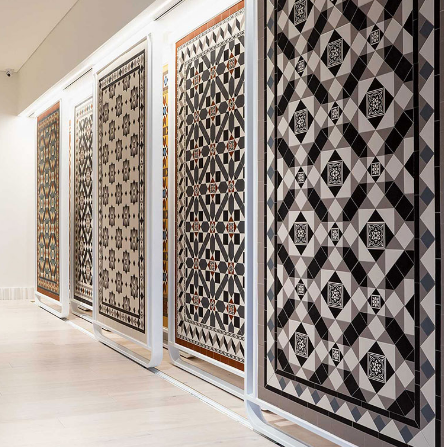

Tessellated tiles have long been appreciated for their distinctive geometric patterns and enduring appeal in both residential and commercial spaces. In Australia, the use of tessellated tiles combines traditional craftsmanship with contemporary design, resulting in surfaces that are both functional and visually appealing. Understanding the origins, patterns, and styles of tessellated tiles available in the Australian market provides valuable insight for architects, designers, and homeowners seeking timeless craftsmanship.
Historical Background of Tessellated Tiles
Tessellated tiles date back to ancient times when they were used to create intricate mosaics in architectural decoration. Traditionally handmade, these tiles were composed of small, interlocking shapes that formed complex patterns without gaps or overlaps. In Australia, tessellated tiles gained popularity during the Victorian era, particularly in floor designs of public buildings, churches, and residential hallways. Their durability and decorative potential made them a preferred choice to elevate interior aesthetics.
The Appeal of Tessellated Tiles in Contemporary Australia
Despite the evolution of flooring materials, tessellated tiles have experienced renewed interest in contemporary Australian design. Their ability to blend classic charm with modern elements has positioned them as a versatile option for various settings such as bathrooms, kitchens, patios, and entranceways. The resurgence is also supported by local artisans and manufacturers who produce tessellated tiles Australia wide, allowing for customised patterns and colours that suit diverse design schemes.
Material Composition and Manufacturing Process
Tessellated tiles are generally made from natural materials including ceramic, porcelain, and encaustic cement. In Australia, the preferred method involves hand-cutting or moulding individual tiles followed by firing at high temperatures to ensure longevity and strength. This manufacturing process guarantees that the resulting product is durable, resistant to wear and moisture, which is particularly beneficial for the Australian climate. The choice of materials impacts the texture, finish, and maintenance requirements.
Classic Tessellated Tile Patterns
One of the defining characteristics of tessellated tiles is the variety of patterns achievable. Common classic patterns include chequerboard, herringbone, basket weave, and hexagonal arrangements. These patterns rely on precise repetition of tile shapes that fit together seamlessly. In Australia, designers often incorporate these traditional motifs into both heritage restoration projects and new constructions to infuse spaces with a sense of history and elegance.
Modern Interpretations and Custom Designs
While respecting their historical roots, tessellated tiles in Australia have also evolved to reflect modern tastes. Contemporary patterns often experiment with colour contrast, tile size variation, and asymmetrical layouts to create unique visual interest. Customers now have the option of commissioning custom tessellated tiles Australia wide that incorporate personalised colour schemes or emblematic motifs, enhancing their interior or exterior aesthetic appeal.
Colour Trends in Tessellated Tiles
Traditional tessellated tiles often feature monochromatic or earthy colour palettes such as blacks, whites, and terracotta shades. Currently, Australian designers are expanding into bolder colours like deep blues, greens, and even pastel hues that complement different architectural styles. This palette diversity allows tessellated tiles to seamlessly integrate into contemporary minimalistic homes as well as more ornate, classic settings.
Applications of Tessellated Tiles in Australian Homes
The versatility of tessellated tiles makes them suitable for various applications throughout a property. Common uses include flooring in hallways and entryways where their durability and pattern can make a striking first impression. Bathrooms and kitchens benefit from their water-resistant properties and ease of cleaning, while outdoor patios gain an elegant yet resilient surface. Additionally, tessellated tiles can be utilised for feature walls or fireplace surrounds to create focal points.
Maintenance and Longevity
Proper maintenance is essential to preserve the appearance and structural integrity of tessellated tiles. Their natural materials require sealing to prevent staining and moisture infiltration, especially in high-traffic or wet areas. In Australia’s climate, regular cleaning with neutral pH detergents and periodic resealing ensures the tiles remain vibrant and durable for decades. The quality manufacturing of tessellated tiles Australia suppliers guarantee contributes significantly to their long service life.
Finding Quality Tessellated Tiles Australia
When sourcing tessellated tiles in Australia, it is important to consider suppliers who offer authentic and high-quality products. Trusted manufacturers often provide comprehensive design assistance, customisation options, and samples to ensure the perfect match for the project. The availability of a wide range of styles and colours allows customers to select tiles that align with their aesthetic preferences and functional needs.
Benefits of Choosing Tessellated Tiles
Tessellated tiles combine aesthetic appeal with practical benefits making them a worthwhile investment. Their patterned design adds character and texture to any space, enhancing visual interest. They are also highly durable, resistant to wear, and suited to areas prone to moisture. Furthermore, tessellated tiles provide a low-maintenance surface that maintains its appearance over time, making them an excellent choice for Australian interiors and exteriors.
Incorporating Tessellated Tiles in Renovation Projects
Increasingly, Australian homeowners and renovators are incorporating tessellated tiles to complement period-style renovations or introduce historic elements into modern designs. Their ability to replicate heritage aesthetics while meeting contemporary performance standards makes them especially relevant in conservation areas or homes with preserved architectural features. Planning and installation by experienced professionals are crucial to achieving the best finish.
Conclusion
Tessellated tiles continue to be a significant design element in Australia thanks to their rich historical background, durability, and aesthetic versatility. Whether used in traditional or modern settings, the array of patterns and styles available caters to diverse architectural and decorative requirements. By sourcing from reputable providers of tessellated tiles Australia offers, designers and homeowners can ensure quality, authenticity, and lasting beauty in their tiling projects.