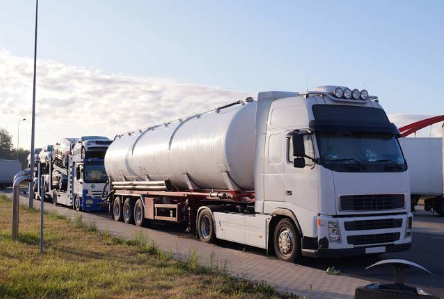

Fuel distribution plays a critical role in ensuring a reliable and efficient supply of energy in today’s economy. As global demand for various types of fuels continues to grow, the function of commercial fuel distributors becomes more significant. These entities bridge the gap between fuel manufacturers and end users, handling storage, transportation, and delivery to industries, businesses, and consumers. Understanding their role in the energy supply chain highlights their importance in maintaining economic stability and supporting technological advancement.
Understanding Commercial Fuel Distributors
Commercial Fuel Distributors are specialised companies that manage the logistics involved in delivering fuel to commercial and industrial users. Their operations encompass acquiring fuel from refineries or import terminals, storing it safely, and distributing it efficiently to customers such as transport companies, construction businesses, and manufacturing plants. They ensure that the fuel delivered meets regulatory standards and is available when and where needed.
The Range of Fuels Distributed
These distributors handle various types of fuel depending on regional demand and market trends. Common fuels include diesel, petrol, heating oil, and more recently, biofuels and renewable fuel blends. The ability to distribute multiple fuel types allows commercial fuel distributors to cater to a wide range of industries and adapt to shifting energy policies and consumer preferences. This flexibility is essential as nations pursue transitions towards lower-carbon energy sources.
Ensuring Compliance with Safety and Environmental Regulations
Fuel distribution involves inherent risks due to the flammable nature of the products handled. Therefore, commercial fuel distributors must adhere to strict safety protocols and environmental regulations. These include controlling emissions during storage and transportation, preventing spills, and following guidelines for fuel quality and traceability. Meeting these requirements protects employees, customers, and the environment, while also maintaining the distributor’s operational licences.
Logistics and Supply Chain Management
Efficient logistics form the backbone of fuel distribution. Commercial fuel distributors employ advanced supply chain management techniques to coordinate procurement, storage, and delivery schedules. This ensures continuous supply without excessive inventory holding costs. Utilising real-time data and routing software optimises fuel delivery routes, reduces transit times, and minimises operational costs.
Contribution to Business Continuity
For many industries, fuel is a critical input for daily operations. Commercial fuel distributors provide dependable fuel supply that prevents operational downtime. For example, transport companies rely heavily on timely diesel deliveries to maintain fleet mobility. Similarly, construction projects depend on continuous fuel availability for machinery operation. By ensuring fuel is supplied efficiently, distributors support uninterrupted business activities and economic productivity.
Adapting to Energy Market Changes
The energy landscape is evolving rapidly, driven by technological innovation, regulatory shifts, and climate change concerns. Commercial fuel distributors must adapt to these changes by incorporating sustainable fuel options and exploring alternative delivery methods. Some distributors have started integrating electric vehicle charging infrastructure or supplying renewable diesel to meet growing sustainable energy requirements. Flexibility and innovation are key to continuing relevance in a transforming market.
Role in Emergency Fuel Supply
During emergencies such as natural disasters or supply chain disruptions, commercial fuel distributors play an essential role in ensuring fuel availability. Their logistical expertise allows rapid response and rerouting of supplies to critical sectors including emergency services and utilities. This capability is vital for national resilience and recovery in crisis situations.
Economic Impact and Employment
Commercial fuel distributors contribute significantly to local and national economies. By facilitating the efficient flow of energy commodities, they underpin industries that generate employment and economic growth. Furthermore, the distribution sector itself creates a range of jobs, from logistics coordinators to drivers and safety inspectors. Maintaining a skilled workforce is therefore important for sustaining the sector’s performance.
The Importance of Technological Integration
Modern commercial fuel distribution increasingly relies on technology to improve safety, efficiency, and customer service. Automated inventory management systems, telematics, and advanced tracking solutions allow distributors to monitor fuel quantities accurately and provide timely updates to customers. Additionally, adherence to data standards streamlines reporting to regulatory bodies, ensuring compliance.
Partnerships and Industry Collaboration
Successful commercial fuel distribution often involves collaboration with multiple stakeholders including fuel producers, transport companies, and regulatory agencies. These partnerships facilitate knowledge sharing, technological advancement, and coordinated responses to market fluctuations. Industry associations also play a role in advocating for standards and promoting best practices within fuel distribution networks.
Challenges Facing Commercial Fuel Distributors
Despite their crucial role, commercial fuel distributors face several challenges. Fluctuating fuel prices can impact profitability and require careful financial planning. Infrastructure limitations, such as storage capacity and ageing transport fleets, may restrain service capabilities. Additionally, increasing regulatory compliance burden demands continuous investment in safety and environmental systems. Addressing these challenges is necessary for maintaining reliable energy distribution.
Future Outlook
The future of commercial fuel distribution will be shaped by ongoing energy transitions and technological development. Distributors are expected to expand their role in supplying low-carbon and alternative fuels to meet national and international climate goals. Investment in digitalisation and sustainable infrastructure will enhance operational efficiency and reduce environmental impact. By embracing these trends, commercial fuel distributors will remain integral to the evolving energy ecosystem.
Conclusion
In summary, commercial fuel distributors are vital intermediaries in the modern energy supply chain. They ensure the timely, safe, and compliant delivery of various fuel types to a diverse customer base. Through efficient logistics, regulatory adherence, and adaptation to changing market demands, they support business continuity and economic growth. Looking ahead, their willingness to innovate and adopt sustainable practices will determine their success in the rapidly changing global energy landscape.