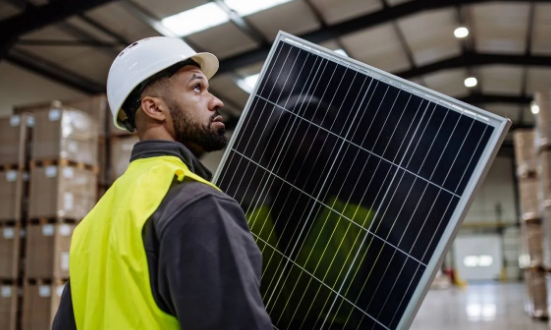

As the demand for renewable energy continues to grow, solar battery systems have become a crucial component for homeowners and businesses looking to optimise their energy consumption. These systems combine solar panels with energy storage solutions to provide greater efficiency, reliability and cost savings. Understanding how to maximise the efficiency of solar and battery systems is essential for achieving optimal performance and return on investment.
Understanding Solar and Battery Systems
Solar and battery systems integrate photovoltaic solar panels with a battery storage unit. The solar panels capture sunlight and convert it into electricity, which can be used immediately or stored in batteries for later use. The stored energy can then power a property during periods of low sunlight or at night, reducing reliance on the grid and lowering energy bills.
By incorporating a battery system, users can avoid exporting surplus solar energy to the grid at lower feed-in tariff rates and instead save it for their own consumption. This maximisation of self-consumption significantly improves the economic benefits of solar power installations.
Benefits of Combining Solar Power with Battery Storage
The integration of solar panels with battery storage offers several advantages. First, it enhances energy autonomy by reducing dependence on external power sources. Second, it provides greater security during power outages, as stored energy can continue to supply critical appliances. Third, it allows for better management of electricity costs by storing energy when it is cheapest or most abundant.
In addition, solar and battery systems contribute to environmental sustainability by promoting the use of clean energy and reducing greenhouse gas emissions. Their use supports the transition towards a more resilient and sustainable energy grid.
Factors Influencing the Efficiency of Solar Battery Systems
To maximise efficiency, several factors must be taken into account during the design and operation of solar and battery systems. These include the quality and type of solar panels, battery technology, system size, installation location and energy management strategies.
Choosing the Right Solar Panels
The efficiency of solar panels directly affects the amount of electricity generated. High-efficiency panels can convert more sunlight into usable electricity, making them a worthwhile investment despite potentially higher upfront costs. When selecting panels, it is important to consider factors such as efficiency rating, durability and manufacturer warranty.
Selecting Appropriate Battery Technology
The battery’s chemistry and capacity influence the system’s ability to store and discharge energy effectively. Common battery technologies used in residential solar systems include lithium-ion and lead-acid batteries. Lithium-ion batteries generally offer higher energy density, longer lifespan and better performance but come at a higher price point.
Proper battery sizing is also essential. An undersized battery may not store sufficient energy to cover peak demand, while an oversized battery can lead to unnecessary expenditure and underutilisation. Energy consumption patterns should be analysed to determine the optimal battery capacity.
Impact of Installation Location and Orientation
The positioning of solar panels greatly affects their energy output. Panels should be installed facing the optimal direction—usually true north in the UK—to capture the maximum amount of sunlight throughout the day. Additionally, the tilt angle of the panels should be adjusted based on geographic location and seasonal variations to ensure efficient solar capture.
Shading from trees, buildings, or other obstructions must be minimised because shaded panels produce significantly less electricity. A thorough site assessment should be conducted prior to installation to identify and mitigate potential shading issues.
Advanced Energy Management Strategies
Smart energy management systems play a vital role in enhancing the performance of solar and battery systems. These systems monitor energy production and consumption in real time and adjust battery charging and discharging accordingly to achieve maximum efficiency.
Time-of-use tariffs, which vary electricity prices depending on the time of day, can be exploited by smart systems to store energy when costs are low and use it when prices peak. This approach reduces energy expenses and optimises battery utilisation.
Maintenance and Monitoring
Regular maintenance and monitoring are critical to ensuring that solar and battery systems operate at peak efficiency over their lifespan. This includes periodic cleaning of solar panels to remove dirt and debris, checking battery health, and ensuring all electrical connections are secure.
Many modern systems include remote monitoring capabilities, allowing users to track performance metrics and detect potential faults proactively. Timely intervention can prevent efficiency losses and extend the system’s functional life.
Government Incentives and Financing Options
Many regions offer financial incentives, rebates, or feed-in tariffs to encourage the adoption of renewable energy systems. These incentives can lower the initial investment cost of solar and battery installations, increasing their affordability and attractiveness.
It is advisable for prospective users to explore available government programmes and financing options to maximise the benefits of installing a solar and battery system.
The Environmental and Economic Impact
By maximising efficiency, solar and battery systems can substantially reduce reliance on fossil fuels and decrease carbon emissions. They also contribute to energy cost savings by shifting consumption away from the grid during peak tariff periods and reducing demand charges.
Over time, a well-designed and maintained solar and battery system pays for itself through lower energy bills and increased property value. Additionally, it provides greater resilience against future energy price volatility.
Partnering with Experienced Installers
Ensuring the proper design and installation of solar and battery systems requires expertise. Partnering with reputable and experienced installers ensures that all factors affecting efficiency are carefully considered, and the system is tailored to the specific needs of the user.
Qualified installers can conduct comprehensive site assessments, recommend appropriate technologies and provide ongoing support for system maintenance and upgrades.
Conclusion
Solar and battery systems represent a forward-thinking solution for harnessing renewable energy while maximising self-consumption and cost savings. To achieve maximum efficiency, careful selection of components, optimal installation, and intelligent energy management are essential. Users who prioritise these factors can enjoy enhanced energy independence, reduced environmental impact and significant economic benefits.
For those interested in integrating these systems into their homes, further detailed information is available from industry providers specialising in solar and battery systems. These sources can assist in making informed decisions that align with specific energy needs and sustainability goals.