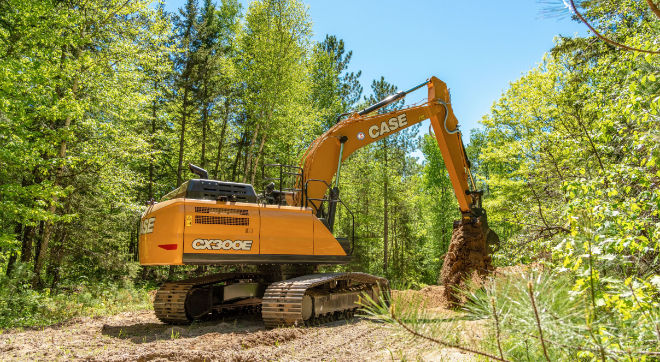

Excavators are pivotal machines in the construction, landscaping, and mining industries. Their ability to efficiently move large amounts of earth, debris, or materials makes them indispensable on many job sites. For companies and individuals who require these machines but do not want the commitment of purchasing, excavator hire services offer a viable alternative. This comprehensive guide outlines everything one should know about excavator hire—from its benefits to how to select the right machine.
Understanding Excavator Machines
An excavator is a heavy-duty construction machine characterised by a boom, dipper, bucket, and cab mounted on a rotating platform. They range in size and power, from compact models suited for small urban projects to large machines designed for extensive earthmoving operations. These machines perform tasks such as digging trenches, demolition, material handling, and grading.
Benefits of Excavator Hire
Excavator hire services offer several advantages compared to purchasing machinery. Primarily, they reduce upfront capital expenditure. Buying an excavator involves significant investment costs including maintenance, storage, and depreciation. Rental options remove these financial burdens, allowing businesses to allocate resources more effectively.
Another benefit is flexibility. Hiring an excavator permits contractors to select a machine size appropriate for each project. This adaptability ensures projects are efficiently managed without being restricted by fixed equipment capabilities. It also facilitates access to the most current machinery models equipped with the latest technology.
Reduced Maintenance and Compliance Responsibilities
When an excavator is hired, the responsibility for routine maintenance and compliance often shifts to the rental provider. This arrangement minimises downtime caused by mechanical failures and ensures adherence to safety and environmental standards, which can otherwise be resource-intensive for companies to manage independently.
Types of Excavators Available for Hire
Different project requirements necessitate various excavator types. The most common classifications include:
- Mini Excavators: Ideal for tight spaces and small-scale excavation.
- Standard Excavators: Suited for medium-scale construction work involving digging and material handling.
- Long Reach Excavators: Used where extended arm reach for dredging or demolition is necessary.
- Tracked Excavators: Equipped with tracks instead of wheels, offering better stability on uneven terrain.
Each type offers specific advantages, and rental companies usually have diverse fleets to accommodate varying project demands.
Factors to Consider When Choosing Excavator Hire
Selecting the appropriate excavator involves evaluating several factors:
Project Scope and Size: Determining the volume of earth to be moved and the project duration assists in selecting machine capacity.
Site Accessibility: The machine must be suitable for the terrain and access constraints of the worksite.
Machine Specifications: Elements such as bucket size, dig depth, and reach capability should align with the job’s technical requirements.
Rental Terms: Clarity on rental duration, hourly or daily rates, and included services (such as operators or insurance) is essential for effective planning.
The Hiring Process Explained
Hiring an excavator generally begins with contacting a rental company. A detailed discussion on the project necessities helps identify suitable machines. After comparing availability and pricing, the renter finalises the terms and agrees on delivery or pickup logistics.
Once in possession of the excavator, the renter is usually responsible for its operation. However, some service providers offer options to hire machines with professional operators, which can improve efficiency and safety for complex tasks.
Safety and Training Considerations
Operating an excavator requires skilled personnel trained to handle the machine’s controls and to understand safety protocols. Hiring companies sometimes provide training or recommend certified operators to minimise risks on site. Compliance with health and safety regulations is paramount during the hire period.
Cost Aspects of Excavator Hire
The cost of excavator hire varies depending on machine size, rental duration, and additional services. Generally, smaller excavators command lower fees, while larger or specialised models cost more.
Additional costs might include transport, insurance, fuel consumption, and operator fees if applicable. Comparing comprehensive quotes from various rental providers ensures transparency and competitive pricing.
Environmental and Efficiency Factors
Modern excavators are increasingly designed to meet stringent environmental standards. Renting newer models can provide benefits such as lower emissions, reduced fuel consumption, and quieter operation which helps comply with environmental regulations and improves workplace conditions.
Advantages of Hiring from Reputable Suppliers
Reputable excavator hire companies maintain fleets of well-serviced and up-to-date machinery. They also provide expert advice to help clients choose the most suitable equipment and support throughout the rental period.
This professional service minimises risks of mechanical failure and ensures projects proceed without unnecessary disruptions caused by equipment issues.
Conclusion
Engaging in excavator hire provides a flexible, cost-effective, and efficient solution for construction and earthmoving projects. Understanding the types of machines available, associated costs, and critical selection criteria ensures optimal outcomes. Hiring from accredited suppliers guarantees access to reliable equipment, technical support, and adherence to safety standards, all of which contribute positively to project success.