Newsletter Subscribe
Enter your email address below and subscribe to our newsletter

 ByJohn A
Residential contractors work in many different property settings, and each one creates different dumpster rental challenges. A rural home may have long driveways, soft ground, limited service access, and wide open space that still requires careful planning. A suburban home may have HOA rules, narrow streets, landscaping, and daily homeowner access to protect. An urban property may involve alleys, tight lots, street permits, shared parking, and neighbors only a few feet away.
Dumpster planning should match the location, not just the renovation scope. The same kitchen tear-out, roof repair, flooring replacement, or exterior renovation can require a different waste strategy depending on where the property sits. Contractors who think through access, placement, loading routes, service timing, and local restrictions can keep debris moving without letting the container become a jobsite problem.
Before ordering a dumpster, contractors should look at the full property setting. Rural, suburban, and urban jobs may all produce similar materials, but the access conditions can be completely different. The site may have a gravel drive, paved driveway, shared alley, sloped yard, limited street parking, or a tight side yard.
The first question is simple: where can the dumpster sit and still be useful? The answer should consider crew access, homeowner access, delivery space, service truck movement, and the path debris will take from the work area. Placement should not be chosen only because it is easy on delivery day.
See also: Old Gmail Accounts for Sale: A Buyer’s Safety and Compliance Guide
Rural properties often appear easier because they usually have more land. In reality, they can create unique access issues. Long driveways, gravel lanes, muddy areas, narrow gates, low branches, uneven ground, and limited turnaround space can all affect dumpster delivery and pickup.
Contractors should inspect the route from the public road to the planned placement area. If the driveway is soft, steep, curved, rutted, or lined with trees, the dumpster may need to stay closer to the entrance. Crews may have to load from a distance rather than risk placing the container where it cannot be serviced.
Open space is helpful only when trucks can reach it safely.
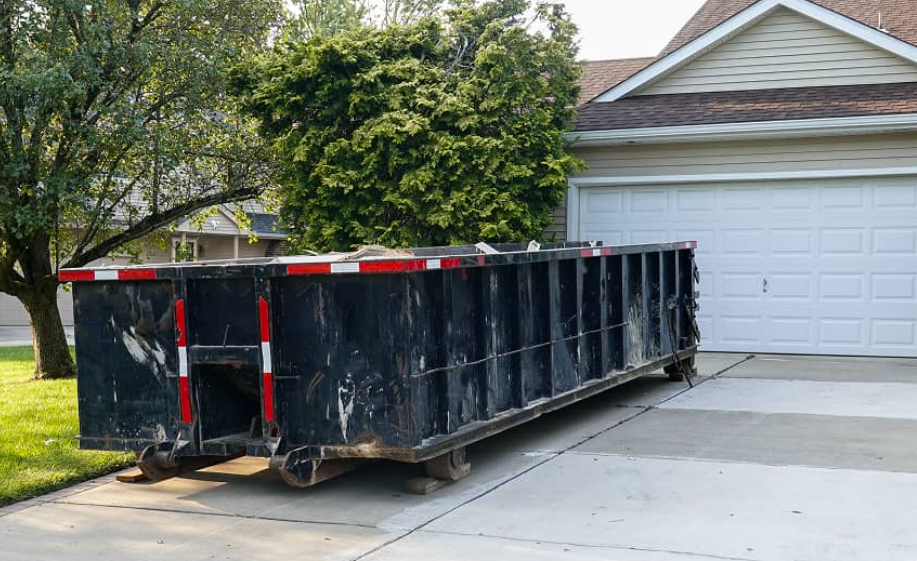
Suburban projects often require contractors to balance convenience with neighborhood expectations. The dumpster may need to fit in a driveway without blocking garage access, sidewalks, mailboxes, trash pickup, or homeowner parking. Crews also need to avoid damaging lawns, sprinkler heads, landscaping, and paved surfaces.
Working with Temporary Dumpster can help residential contractors coordinate dumpster rental placement and timing for projects in different property settings. On suburban jobs, that planning often means choosing a location that allows efficient loading while keeping the household and neighborhood functioning normally.
A good suburban placement helps the project move without creating unnecessary complaints.
Urban properties can be the most difficult for dumpster placement. Contractors may be dealing with narrow lots, shared driveways, alleys, limited curb space, parked cars, overhead wires, utility poles, sidewalks, and nearby buildings. There may be little or no private space for a container.
Before work begins, contractors should confirm whether a dumpster can be placed on-site, in an alley, in a rear lot, or on the street. Permits or approvals may be needed. If direct placement is not possible, debris may need to be carried to a nearby approved location or loaded during specific work windows.
Urban jobs reward early planning because there is rarely extra space to improvise.
Rules can vary widely by property type. Rural areas may have fewer visible restrictions, but private roads, shared lanes, easements, or association rules may still apply. Suburban neighborhoods may have HOA limits, street parking rules, driveway requirements, or time restrictions. Urban areas may involve municipal permits, loading zones, alley rules, and strict placement limits.
Contractors should confirm restrictions before the dumpster is delivered. A container that has to be moved immediately can delay the start of work and frustrate the homeowner. It is better to identify rules early than to solve them with a truck waiting outside.
The dumpster should be positioned based on where debris will be created. Interior renovations may need a route through the garage, front door, back door, or basement entrance. Exterior work may need access around the house, along a driveway, through a side gate, or across a yard.
On rural properties, the container may be close to a barn, detached garage, or long driveway. On suburban properties, it may sit in the driveway near the main renovation entrance. On urban properties, placement may depend more on what space is legally available than what is most convenient.
The best location reduces unnecessary carrying while still protecting access.
Every property needs a debris route. This is the path old materials take from the work zone to the dumpster. The route may cross finished floors, porches, lawns, gravel drives, sidewalks, stairs, alleys, or parking areas. If the path is not planned, debris can spread and damage the property.
Contractors should clear obstacles before demolition begins. Rugs, furniture, tools, ladders, cords, toys, trash bins, planters, and vehicles should not block the route. Finished surfaces may need protection, especially when crews are moving cabinets, drywall, flooring, tile, siding, roofing, or trim.
A clear route keeps cleanup steady and reduces damage.
Ground conditions matter in every setting. Rural sites may have soft soil, gravel, mud, slopes, or unpaved access. Suburban sites may have finished driveways, lawns, irrigation lines, and decorative landscaping. Urban sites may have pavement, curbs, sidewalks, tight alleys, or uneven rear lots.
Contractors should avoid placing a dumpster where it could sink, shift, damage landscaping, or interfere with drainage. If the property has a finished driveway, protection may be needed depending on the surface and container placement. If the ground is wet or unstable, a more conservative placement may prevent service problems later.
A dumpster should support the project, not damage the site.
Residential construction projects often involve new materials arriving while old debris is still leaving. Cabinets, flooring, drywall, trim, lumber, roofing, windows, doors, fixtures, and appliances all need space. Crew vehicles also need parking, and homeowners may still need access to the property.
In rural areas, staging may be easier, but long distances can slow crews down. In suburban areas, driveways can become crowded fast. In urban areas, parking and delivery space may be the biggest challenge of the job.
Contractors should plan where the dumpster, materials, vehicles, and service access will all fit before the schedule gets crowded.
Different properties do not change the basic waste limits, but they do change how easy it is to respond when a dumpster fills too soon. Rural sites may be farther from service routes. Suburban sites may have limited space for overflow. Urban sites may have no room at all for extra debris outside the container.
Contractors should monitor fill levels during demolition and other high-waste phases. Heavy materials such as tile, plaster, brick, concrete, stone, roofing, and wet debris need extra attention. Bulky materials such as cabinets, doors, siding, trim, and packaging can also fill space quickly.
A full dumpster should be serviced before debris starts piling up nearby.
The container must remain accessible for pickup or replacement. This is especially important on properties with limited room. A rural driveway may become blocked by trucks or equipment. A suburban driveway may fill with vehicles and material deliveries. An urban alley may be blocked by parked cars or neighboring activity.
Contractors should treat service access as part of the site plan. No one should park in front of the dumpster or stack materials where the truck needs to reach it. If a pickup is scheduled, crews should prepare the area before service arrives.
Good access keeps waste removal from becoming a bottleneck.
Dumpster placement affects more than the crew. Homeowners may need to know where to park, which doors to use, when pickup will happen, and how long the container will remain on-site. Neighbors may be affected by street placement, alley access, noise, dust, or temporary parking changes.
This communication is especially important in suburban and urban areas, where homes sit closer together and shared access is common. A short explanation can prevent confusion and complaints. Contractors should also make sure crews understand which areas must stay clear.
Clear expectations make the project easier for everyone around it.
A rural project may need more attention to road access, surface stability, and distance from the work area. A suburban project may need more attention to driveways, HOA rules, landscaping, and homeowner access. An urban project may need more attention to permits, tight placement, shared alleys, and limited loading windows.
The renovation may be the same, but the waste plan should not be. Contractors should adjust placement, timing, loading routes, and communication to fit the property setting.
Location-specific planning helps the dumpster work the way it should.
Dumpster rental considerations for rural, suburban, and urban properties all come down to access, placement, timing, and communication. Residential contractors need to understand how the property setting affects delivery, loading, service access, debris routes, homeowner use, and neighborhood rules.
By reviewing the site early, checking restrictions, planning clear debris routes, protecting ground surfaces, coordinating parking and deliveries, and keeping service access open, contractors can manage waste more efficiently in any setting. A thoughtful dumpster plan helps debris leave the property without disrupting the work, the homeowner, or the surrounding area.