Newsletter Subscribe
Enter your email address below and subscribe to our newsletter

 ByJohn A
There’s nothing quite like the feeling of stepping into your house after a long day and feeling that perfect, consistent level of comfort. But beneath the surface of that cozy feeling, moisture might be playing a silent, destructive game. Excess moisture, often stemming from sneaky leaks, is a major culprit that can quickly ruin your home’s air quality, damage its structure, and skyrocket your utility bills. Being proactive about identifying and fixing these problems early is not just about saving money—it’s about preserving the health and structural integrity of your sanctuary. Ignoring the early signs of a moisture problem is like letting a small drip turn into a flooded basement. To maintain that ideal climate, we often rely on effective HVAC solutions, but even the best system can’t fight a persistent water intrusion. Knowing what to look for and how to act is your first line of defense against the damp.
When we talk about home comfort, we often focus on temperature, but humidity plays an equally critical role. Too much moisture in the air makes the house feel clammy and hot in the summer, forcing your air conditioner to work overtime. Conversely, it can also lead to condensation on windows and walls during the winter. This elevated humidity creates the perfect breeding ground for mold and mildew.
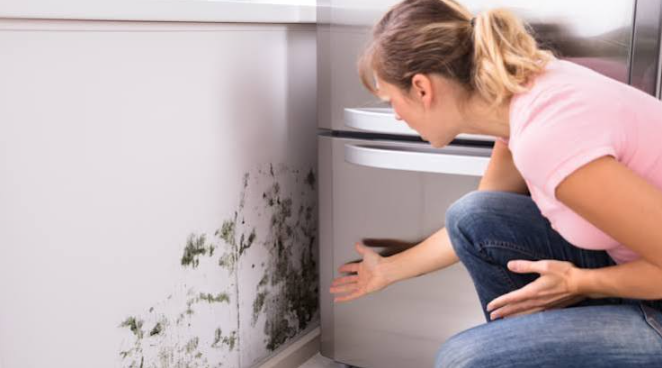
If you start noticing a musty smell, especially in basements, bathrooms, or utility rooms, it’s a big red flag. Mold spores released into the air can trigger allergies, asthma, and other respiratory issues for everyone living in the house. Beyond air quality, the constant presence of water will degrade building materials, causing wood to rot, paint to peel, and drywall to crumble, significantly decreasing your home’s longevity and resale value.
You don’t need to be a professional inspector to spot the initial signs of a moisture problem. It often starts subtly. Keep an eye out for these visual and sensory cues:
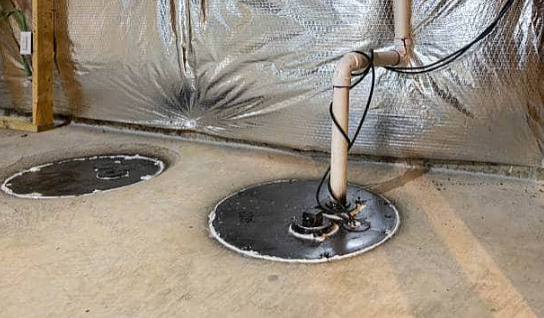
Moisture doesn’t just come from rain; it can originate from various places both inside and outside your home. Knowing where to check can save you hours of searching.
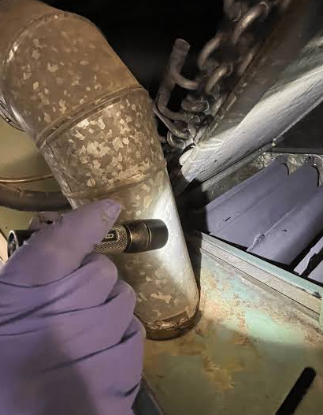
If you are dealing with persistent moisture issues that seem tied to your indoor climate control, it might be time to call in the experts. Reliable HVAC services North Olmsted can often trace high humidity to an improperly sized or poorly functioning air conditioning system, or even help you integrate a whole-home dehumidifier into your existing setup. These professionals have the tools to diagnose complex airflow and moisture problems that are harder for the average homeowner to pinpoint.
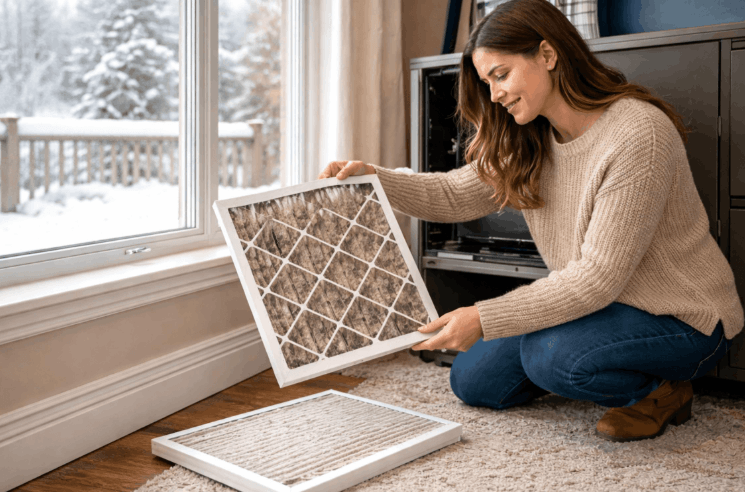
Stopping leaks before they become catastrophic is mostly about routine maintenance and observation.
In the grand scheme of homeownership, battling moisture is an ongoing commitment, but it’s one that pays immense dividends in comfort, health, and property value. Don’t wait for the musty smell or the ceiling stain to become undeniable. By staying vigilant and knowing the common signs and sources of water intrusion, you can turn a potential repair disaster into a minor fix. Investing in early detection and proper maintenance is the most effective way to protect your home. A comfortable home is a dry home, and making that happen often means relying on effective HVAC solutions to manage humidity alongside a regular inspection schedule for water leaks.